Your Credit Score and Buying a Home

What to Know About Your Credit Before Buying a Home

It’s not just whether you pay your bills on time that matters.

Image: Cavan Images/Tanya St/StudioBarcelona/Getty

CONTRIBUTED BY

This article was contributed by financial expert and blogger Mary Beth Storjohann, CFP, author, speaker, and founder of Workable Wealth. She provides financial coaching for individuals and couples in their 20s to 40s across the country, helping them make smart, educated choices with their money.

Like it or not, your credit score is one of the most important numbers in your life, ranking up there with your Social Security number, date of birth, and wedding anniversary. This three-digit number is your financial report card, except there’s no getting rid of it after college.

Your credit score shows lenders just how trustworthy you are when it comes to managing your finances, and it can either save or cost you thousands of dollars throughout your life.

If you’re in the dark about just how significantly this number can impact you and the details behind your personal score, here’s an overview of what you need to know before hitting the mortgage application process.

How Your Score is Calculated

Your FICO credit score is comprised of five elements, according to the Fair, Isaac Corp.

  1. 35% of your score is attributed to how you pay your bills. Points are added for paying on time and deducted for late or missing payments. Note: This is a big portion of your score, so if you’re not paying bills on time, it’s best to get that under control pronto.
  2. 30% of your score is based on your credit utilization ratio. Translation: How much money do you owe as a portion of the amount of credit available to you? The lower this ratio, the better.
  3. 15% is based on the length of your credit history. When did you open your first account (and is it still open)?
  4. 10% of your score goes to the type of credit you have. Think revolving credit (such as credit cards) and installment credit (such as car loans and mortgages).
  5. The last 10% is impacted by new credit applications. How often and for what types of credit are you applying?

Where to Find Your Score and Report

To access your credit report, use a website such as annualcreditreport.com, which will give you one free report a year, or creditkarma.com, which will provide you with free access to your score upon signing up for an account.

Once you have copies of your report and score, immediately look for fraudulent or erroneous information. If you find anything, immediately contact both the credit reporting agency and the company that is portraying inaccurate information to determine next steps.

How Your Score Can Cost You

Your score can range from about 300 to 850. You’ll find a variety of breakdowns on what’s considered “good” compared to “excellent” versus “poor,” but in general you’ll want to aim for a score of 740 and higher, which is the “very good” range.

The higher your credit score, the more creditworthy you appear to lenders (meaning they can rely on you to pay your debts and pay them on time), which translates into lower interest rates and more money saved when taking out a loan.

Not sure how this can play out financially? Consider this:

Meet Claire: She’s 35, pays her credit card off in full each month, has all her bills on auto-draft, and never misses a payment. She’s had a positive credit history for 10 years and wants to buy a home. Claire was approved for a $200,000, 30-year fixed-rate loan at 3.75%.

Meet Steve: He’s 32, obtained his first credit card at age 18, ran up some debt in college that he’s still working on paying down, and has no system for keeping track of bills. He has consistent late and bounced check fees. Steve wants to buy a home and was approved for a $200,000, 30-year fixed-rate loan at 5.5%.

What’s all the fuss about if they were both approved? Over the life of her loan, Claire will pay $133,443.23 in interest. Over the life of his loan, Steve will pay $208,808.08 in interest. A small interest rate difference of 1.75% translates into $75,364.85 more paid by Steve! $75,000 is a pretty significant sum of money that could be used toward other goals.

Having a solid credit score is one of the most financially savvy tools for you to have on hand when it comes to buying a home. When managed wisely, your credit score will bring you confidence, peace of mind, and more money saved via low interest rates.

When mismanaged or not cared for at all, your credit score can delay your success in meeting financial goals and result in additional funds and resources spent correcting past mistakes.

If you have questions relating to your credit score or anything real estate please contact me.  If I don’t have the answer, I will find out or connect you to the professional who can. I look forward to being a guide for you in buying or selling real estate. stevenson.csmdemo.com/

Home Inspections

5 THINGS HOMEBUYERS NEED TO KNOW ABOUT INSPECTIONs

A home inspection provides a valuable opportunity to learn about a property you want to buy and how to care for it. Inspections also help you identify red flags—problems that could affect your safety or require expensive repairs.

If you’ve included an inspection clause in your purchase contract and the seller has accepted your offer, here’s what you should know about what happens next:

1. You must select your home inspector.

Your buyer’s rep can provide a list of inspectors they know and respect, but the choice of inspectors is entirely yours, and you aren’t limited to your agent’s list. Regardless of who you select, you must call and schedule the inspection.

2. You’re working under tight deadlines.

A standard inspection contingency clause allows five to seven days from the contract date. However, buyers may shorten that window to two to four days in competitive markets. Regardless, you need to move quickly to complete the inspection.

3. You might need more than one inspector.

For example, a radon inspection is standard in Peoria and must be scheduled immediately. It’s also possible that your home inspection reveals areas of concern that require additional expertise, such as the presence of mold or pest damage.

Ideally, you want to complete all inspections within the inspection period instead of asking the sellers to extend the inspection period. But, again, your buyer’s rep can advise you on your options in situations like this.

4. How to get the most from your inspection.

Most inspections last two to three hours. During that time, the inspector needs to cover an extensive list of details. Some inspectors welcome buyers’ questions during the inspection. However, others find questions distracting, making it harder to concentrate on their job.

For the best results, ask your inspector how they prefer to work. Also, limit your questions and comments to specific points concerning the home inspection.

5. Work with your buyer’s rep to respond to the inspection.

All homes require periodic maintenance, so don’t be surprised when your inspector points out numerous details and suggests minor repairs and updates.

If the inspection didn’t disclose any significant issues, you can feel comfortable moving forward and completing the sale. However, if substantial concerns are revealed, you’ll need to consult with your buyer’s rep on your options, such as requesting repairs or closing credits, or even terminating the contract.

I can guide you through all these inspections and get answers to your questions.  I’ll help you pick out an inspector and schedule the inspection.  When inspections come back I will guide you through what to do with the information it reveals.  Don’t hesitate to contact me with any of your real estate needs.

Melissa Stevenson; Keller Williams Revolution; 309.256.0649

10 Delightful Ways to Make Your House Brighter in Winter

Let more natural light shine indoors with these simple tips.

Fall and winter start cozy — who hasn’t used the colder temperatures as an excuse to binge-watch Netflix while swaddled in a couch blanket?

But come January, staying indoors can feel less like a treat and more like you’re living in a cave.

Here’s how to make your house lighter, brighter, and cheerier with more natural light indoors.


#1 Take the Screens Off Your Windows

Image: Natasha Hunt, Simply Inspired Blog


You’ll get 30% more sunlight shining indoors without screens on your windows.

Here’s the best part: Sunlight warms your room and saves you money on your heating bill. It’s solar power — for you!

Be sure to store your screens in your garage or basement, where they won’t get damaged. In the spring you’ll want to put them back on so you can keep that 30% of the sun out and run your cooling system less.


#2 Hang Outdoor String Lights Indoors

Image: Eleni Psyllaki


They don’t give off a lot of light, but they’re cheerful as heck.

Drape them around a window or a mantel, or hang a string of LED glimmer lights in a tall potted plant. They’ll add a layer of soft light to your room and remind you of fireflies, flip-flops, and patio parties.


#3 Steal a Little Swedish Chic

Image: @makingoverthemimsion


Scandinavians excel at making a home light and airy because they’ve got places where the sun doesn’t rise at all from November to January.

And you thought you had it bad.

To adapt to weeks and weeks of polar night, Swedes keep interiors pale to reflect and amplify light.

Think white walls, light woods for furniture and floors, and light upholstery. To get the look without getting rid of your dark furniture and floors, put white or light gray slipcovers on your sofa and chairs, and put down light-colored rugs.

The fastest way to bring a little Sweden into your room is to paint it. Try creamy white, pale blue, or dove gray.


#4 Change Your Bulbs

Image: Pop Lights EXI Glass Chandelier


Replace those incandescent bulbs and their yellowy light with LEDs, which produce a brighter, whiter light.

But get your bright right:

  • The higher the K rating on the bulb, the cooler and whiter its light.
  • For cool, white light, opt for a bulb rated 3,500K to 4,100K.
  • For blue-white light that’s closest to natural daylight, use a bulb between 5,000K and 6,500K.

Unless you live in Sweden (see above) you may want to leave the uber-high K bulbs for grow rooms and seasonal affective disorder therapy clinics — because they’re as bright as real sunlight on a hot summer day at noon. You’ll need sunglasses to read.


#5 Hang Mirrors

Image: Madison Wetter of Spaceandhabit.com


Make the most of that weak winter light by bouncing it around the room with mirrors.

If you don’t want the distraction of seeing your reflection all the time, use a large, convex one — also known as a fish-eye mirror. It will amplify light better than a flat one. Another option: Hang a gallery wall of small mirrors.


#6 Replace Heavy Curtains With Blinds or Roman Shades

Image: Shannon Munro Denny/@bungalivin


Fabric curtains, while quite insulating, block light and make a room feel smaller and more cramped, especially if they’re a dark color or have a large print.

Try Roman shades or a simple valance paired with blinds to let in the maximum amount of natural light.


#7 Clean Your Windows

Image: Prideaux Design & Alta Constructors, designer/Matt Vacca, photographer


Dirty windows block a lot of natural light.

Admit it. Yours are kind of cruddy because who remembers to block out an afternoon to clean the windows?

So, get it on your list. Clean the glass inside at least once a month and the glass outside once a year. Your serotonin level will thank you.


#8 Swap Your Solid Front Door for One With Glass Inserts

Image: irina88w/Getty


A solid front door can make your house look and feel as dark as a dungeon.

Get rid of it and install a half-light or full-light door that lets the natural light stream in. For even more natural light, add glass sidelights and a glass transom.

A new entry security front door will cost about $250 in fiberglass and $975 in steel, including parts and installation. A a new door will add curb appeal, which equals higher resale value. And coming home in the evening to the warm glow of light radiating out the glass panels in your front door is an instant mood lifter.


#9 Add a Skylight

Image: Helen Menegakis @sydneyrenovator


It’s the ultimate way to bring more natural light into your house. A window only catches sun for a couple of hours a day, but a skylight lets in the sun all day.

An indoor view of the sky makes deepest January more tolerable. And feeling the warmth of the sun on your skin, light streaming from above, is liberating. A skylight, installed, costs between $1,300 and $3,000. A cheaper alternative is a tubular skylight, which costs $500 to $950 including installation.

If you’re really good with tools, you can install a tubular skylight yourself. Don’t even think about installing a full-blown skylight yourself.


#10 Add Plants

Image: Igor Image; Josifovic


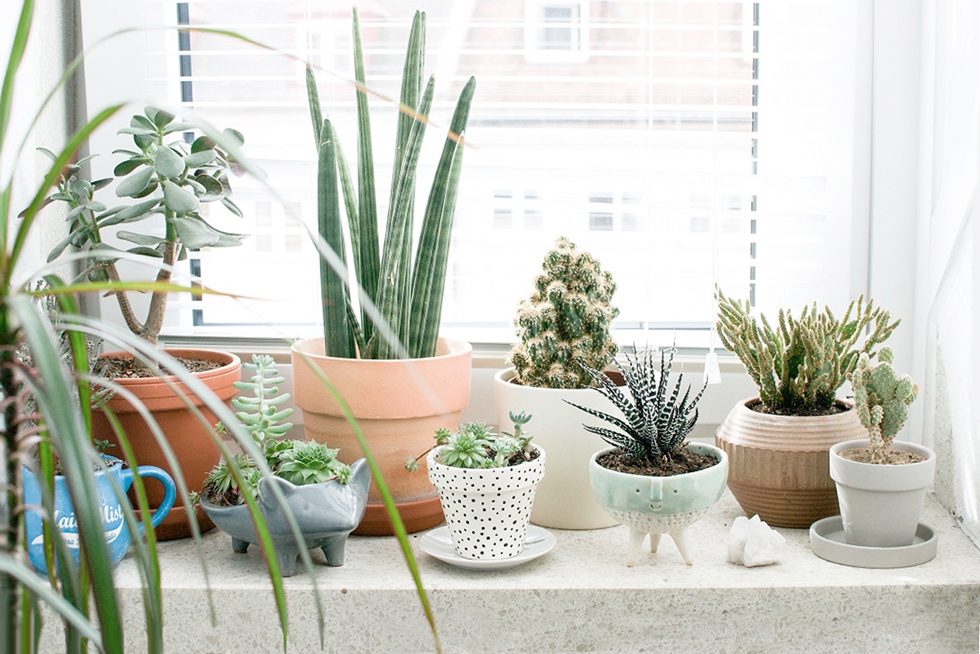
Putting pots of plants around your room will remind you that spring and green will return.

Match plants to the amount of light you have, because dead and dying plants are depressing. Tropicals that thrive in indirect light are usually the best choice. If you have a sunny window you’ve got more plant options.

Bonus points for adding a plant that blooms in the winter, like a kaffir lily or anthurium.

Written By: LEANNE POTTS

Leanne Pottsis an Atlanta-based journalist and serial home remodeler. She’s tackled five fixer-uppers and is working on a sixth. She’s written about everything from forest fires to dog-friendly decor and spent a decade leading the digital staff of HGTV.


2022 Living Room Trends


9 of the Biggest Living Room Trends to Look Out For in 2022, According to Designers

Post Image

No one can predict what the future will hold, but designers do have a pretty strong sense of what to expect when it comes to trends that will be making waves in living rooms come 2022. I spoke with nine design pros, who each chimed in regarding the looks and techniques you’ll definitely want to consider incorporating for an on-trend living space next year.

Post Image

Curvy and organic-shaped furniture

“I think this is a natural evolution from the current mid-century modern revival trend that introduced us to iconic sinuous pieces such as Jacobsen’s Egg Chair. We are now going to see Vladimir Kagan-inspired curvilinear sofas.” —Designer Charles Almonte, founder of Charles Almonte Architecture and Interior Design in Silver Spring, Maryland

Post Image

Multifunctional, airy spaces

“There’s been so much focus on health and well-being that I think our homes will continue to reflect that in the use of natural materials, plants — and, generally [designing] light and airy spaces. And, because we’ve been home more than ever before, multifunctional spaces are key to handling the myriad of activities we do at home these days.” —Designer Maryline Damour, principal at Damour Drake LLC in Kingston, New York

Post Image
Credit: Minette Hand

Warm tones and accents

“I think people are really craving a sense of warmth and comfort in their homes at the moment, so we will continue to see the use of organic tones such as chocolate brown, camel, putty, ochre, and rust. Curating your space and adding additional small items makes the space personal, and layering textiles, furniture, and more helps keep the warmth.” —Zoe Feldman, principal designer and founder of Zoe Feldman Design in Washington, District of Columbia

Post Image

Credit: Jess Rankin

“Lived In” Finishes

“We are seeing a return to a more ‘lived in’ look: less stark living spaces with sharp lines and minimal accents and more layered patterns and rich hues for an inviting gathering spot.” —Amanda Louise Campbell, principal designer and founder of Amanda Louise Interiors in Greenville, South Carolina

Post Image

Bringing the outdoors in with natural touches

“After being cooped up in our homes during the pandemic, I think we will see more of the ‘bringing the outdoors in’ concept. Large living room doors, windows, or panoramic doors will be a consideration for interior architects.” —Designer Charles Almonte

Post Image

Credit: Brad Walsh

Vintage furnishings

“I foresee vintage being a big trend in 2022! Vintage pieces make a space feel unique and homey. And with long lead times, vintage pieces offer not only environmentally friendly options (woo hoo!) but also often are a faster one, too.” —Designer Julia Newman Pedraza, founder of Julia Adele Design in Los Angeles, California

“We anticipate seeing a lot more vintage furniture being incorporated in 2022, given the current global supply chain issues. Production line delays and the subsequent prolonged lead times on furniture orders has driven consumers to turn to antiquing more than ever. We love and embrace this trend for many reasons (we are suckers for antiques!) but are most excited about its impact on sustainability.” —Designer Melissa Lee, founder and creative director of Bespoke Only in New York City, New York

Post Image

Modern retro decor

“After being in quarantine, people are taking more risks and looking for more fun in their homes. I am anticipating a boost of color with bold patterns from the ’70s mixed with modern clean lines to make it more contemporary. After all, history does repeat itself.” —Nichole Samuel, principal interior designer and owner at Goddess Interiors in New York City, New York

Post Image

Reupholstery

“Many of my clients are choosing to reupholster existing pieces rather than purchase new. Their decisions have been based on a variety of factors, including long procurement times due to supply chain issues, a desire to be more eco-friendly, and continuing to see traditional styles in a new light. When reupholstering, we’re replacing original linen and silk blend fabrics with high performance ones, which now come in a diverse range of fantastic options.” —Designer Michelle Tremont Boyd, founder of Michelle Tremont Design in Alexandria, Virginia

Post Image

Upholstered chairs

“What I’m forecasting for a trend in living rooms next year are more upholstered chairs — not just upholstered in the body but also fully upholstered separated arms and legs. Chairs like these add a tailored look to any living room and in a fun color can be a good redux of what otherwise might feel a tad stuffy.” —Designer Clara Jung, principal at Banner Day Interiors in San Francisco

Watch Out!

5 Common Mistakes You Might Make Renovating Your House

By Jennifer Nelson

Oct 20, 2021

No one wants to spend time and money on a home renovation only to be disappointed with the results. So before you swing a sledgehammer (or allow anyone else to), use the planning stages to carefully ponder what you want—and what you don’t.

To help steer you in the right direction, here are some common mistakes people make when renovating their house. Heed this list to avoid countless headaches, mini money pits, and deep regrets once the dust has cleared and you’re settled in your new space.


1. Picking designs that are too trendy

When first delving into the planning stages of a remodel, it’s easy to become infatuated with gorgeous Instagram photos highlighting the latest design fads. Yet be warned, these trends can distract us from planning for what we really need.

“As you look to trends for inspiration for your renovation, it’s best to take cues from trends instead of blindly following those trends,” says Wendy Gonzalez, interior and lighting designer at Modern Ornament in Livingston, NJ.

To best incorporate a trend in your home, pull out the elements that feel right for you, and then add your own spin. For instance, go ahead with a traditional country kitchen, but select that funky backsplash tile you love. Avoid anything that seems like it might be a whimsy, as in out again in a year or two. (Think boldly colored bathroom tile, open kitchen shelving, or oil-rubbed bronze finishes.)

“The best trend for your home is the one that makes the people who inhabit it feel like they’re at home throughout the years, whether you’re in it for the next five, 10, or 30 years,” says Gonzalez.

2. Veering too far from the original architecture

Make sure not to veer too far away from the style of your home. You don’t need to slavishly adhere to the exact same style of architecture in every single renovation, but you should aim for something similar. You won’t want to take a modern home, for instance, and remodel the living areas into a traditional or Georgian style, but a modern farmhouse motif wouldn’t be too far a leap.

Many homeowners get so giddy over the remodeled space, they fail to step back and consider the entirety of their home so they can come away with a cohesive redesign. Usually a good designer or architect can rein in a remodel that’s gotten off its style course.

3. Over-renovating for your neighborhood

Avoid renovating your home into the best on the block, as you may be unlikely to recoup your renovation return on investment.

The reason: If fancy renovations aren’t the norm with nearby properties, later on if you try to sell your home, its higher price (due to all of those high-cost renovations) may deter homebuyers, and shoppers with bigger budgets may likely be looking elsewhere. So it may be best to scale that Champagne taste back a little.

Instead, it’s best to balance any remodeling plans with what homes in your area offer. Check with me. I know the neighborhoods and can let you know which renovations will add value to your home.  Another tip when remodeling a space is to check out real estate listings in your neighborhood and see how they’re described. Are there any chef’s kitchens, steam showers, or wine cellars? If not, it might be a tipoff that those amenities are likely excessive in your neck of the woods.

4. Underestimating the cost

“Make sure that you fully price out your taste in things,” says Raf Howery, CEO and founder of Kukun, a company that helps consumers calculate remodeling costs. “The majority of budget overruns are due to two things: underestimating the cost of the material and time delays, which lead to increased labor costs.”

To avoid this fate, do research ahead of your remodel and estimate the costs of all the materials you want to use, from fixtures to hardwood to cabinets and appliances. Then budget for labor, which is often commensurate with the cost of material.

The more expensive and high-end your material and fixtures, the more in labor they will likely cost to install. When you’ve tallied your choices, tack on the requisite 10% to 20% for unforeseen expenses.

5. Renovating for your ideal self

If you think a newly remodeled kitchen is going to keep you totally organized even though your current space is more akin to disorganized chaos, you’re setting yourself up for disappointment. Since habits are hard to change, you’d be better served by designing a smart, renovated space for the life you currently have—not the idealized life you hope in your newly remodeled space.

Can Improvements Really Decrease your Home’s Value? The Answer is Yes.

7 home improvements that can actually decrease your home’s value, according to real estate experts
When it comes to resale value, not all home improvements are created equal. In fact, some can even decrease your home value.

BY TERRI WILLIAMS JULY 01, 2021

Your home’s resale value is (or at least should be) an important factor to consider when renovating and making home improvements. Surprisingly, the two least expensive home improvement projects have a huge payoff. There are also other reno projects that can provide a great return on investment when you put your home on the market.

However, some “improvements” can actually lower the value of your home and make it less appealing to buyers. These are the home improvement projects that you should avoid.

1. TURNING A BEDROOM INTO A CLOSET

Who doesn’t love a large, walk-in closet? But if buyers have to choose, they’ll place more value on bedrooms than on a larger space to store clothes and shoes. Tyler Forte, CEO at Felix Homes in Nashville, tells us that one of his clients turned a guest bedroom into a walk-in closet for the master suite.

“Generally speaking, a walk-in-closet is a great feature – but not at the expense of an additional bedroom,” he warns. “On average, each additional bedroom can add $10,000 to the value of a home.” On the other hand, if you replace a bedroom with a walk-in closet, Forte says you’re decreasing the home’s value by $7,500 – and that doesn’t even include the cost of materials and labor spent on the project.

Kris Lindahl, CEO and founder of Kris Lindahl Real Estate, which serves Colorado, Minnesota, and Wisconsin markets, agrees. “Converting a bedroom into a larger master closet will likely not increase value because you lost a bedroom,” he says.

2. COMBINING BEDROOMS

Combining two small bedrooms to create a larger bedroom sounds like a good idea, right? Older homes may be quaint and have a lot of architectural details, but they almost always have small bedrooms (and bathrooms). “Homeowners, in a misguided attempt to make an old house more ‘current’ combine two bedrooms into a larger one or create a master suite at the expense of another bedroom,” says Greg Kurzner, president/broker at Resideum in Alpharetta, GA.

“But if you turn a 4-bedroom home into a 3-bedroom home – when comparable homes have 4 bedrooms, the house might be worth less after the improvement.” He admits that square footage is important but says that the number of bedrooms and bathrooms will also matter to homebuyers.

Kurzner’s view is shared by Bill Golden, realtor/associate broker at RE/MAX Around Atlanta, GA, who advises against changing the home’s layout in any way that eliminates a bedroom. “In an area of homes with 5 bedrooms, that may not matter much, but if your home is in a neighborhood where most homes have 3 bedrooms and 2 baths, and your renovation changes it to only 2 bedrooms and 2 baths, you may lose some value when you go to sell,” he warns.

3. PERMANENT CUSTOMIZATION

Since you’re the person living in the home – and paying the mortgage – it’s natural to want the home to suit your likes and preferences. And that’s fine, as long these changes are easy to neutralize when you decide to sell the home. Lisa K. Lippman, licensed associate real estate broker at Brown Harris Stevens in New York, NY, advises caution when integrating custom colors in a permanent way. “Bright colored stone or tile, an all-black bathroom, or bright blue cabinets in the kitchen will appeal to very specific taste and are not easily or inexpensively undone,” she warns.

Kurzner agrees and also advises against materials and eclectic style that you love – but no one else does. “Even certain decor can have a negative impact on your home’s appeal, but at least that can be removed when you move out,” he says. “However, when a buyer feels like they will need to ‘undo’ your improvement and ‘redo’ it over, the improvement has backfired and has likely cost you.”

4. BOLD PAINT COLORS

Paint is a relatively easy home improvement project, but that doesn’t mean buyers want to spend time and money repainting your home. “Painting your home, either the interior or exterior, in non-neutral colors can decrease the value of your home,” says Chris Fajkos, realtor at Tahoe Mountain Realty in Truckee-Tahoe, CA. You may prefer reds, purples, deep blues, and the like, but don’t assume that buyers will. “Current interior design trends continue to suggest that buyers want and expect neutral colors, and if you go against the grain, you may end up putting off buyers who would’ve paid top dollar for your home.”

Here’s something homeowners tend to forget. “Your home is only worth as much as someone is willing to pay for it, so if prospective buyers see a costly paint job ahead of them, they might either offer under the asking price or pass on the home altogether,” Fajkos warns.

5. NOT MAINTAINING THE HOME’S ARCHITECTURAL STYLE

A home improvement project can also decrease the house’s value if you use incongruous or cheap materials, according to Golden “If you have a Tudor style home with diamond-paned windows, and you replace them with plain vinyl windows that don’t match the home’s style, you will decrease your home’s value,” he says. “Yes, you have new windows, but if you’ve ruined the architectural style of the home, you have not improved its value, and more than likely you have decreased its value.”

6. LOWERING CEILINGS

Buyers love high ceilings, which open up spaces and make rooms appear to be larger than they really are. Lower ceilings can probably save on energy bills, but they can also induce feelings of claustrophobia. Keep that in mind if you’re thinking about altering the height of your ceilings. “Lowering ceilings has long been a simple solution for lighting, wiring, or to create a delineation between an entrance gallery and living space,” says Lippman. “However, lowering a ceiling should be done sparingly, as it can also lower the property’s value.”

7. ADDING A POOL

Some buyers love swimming pools. However, experts are divided on how a pool affects your home’s value. Sometimes, it may depend on which area of the country you’re in. For example, Golden says he sold a home (in Atlanta) this spring that had a pool, and was inundated with offers. “Now, in the era of COVID, when people have gotten used to staying home more, pools are at a premium around here,” he explains.

But in colder climates, you might get a different response. “At least in Minnesota, installing a pool can be a downside to many potential buyers, and thereby have the effect of decreasing a home’s value given the limited amount of time you can use a pool in Minnesota and the costs associated with maintenance and repair,” Lindahl says.

And even in warm climates, not every buyer will appreciate a swimming pool. “That’s one of those home improvement projects that isn’t going to return a reasonable percentage of the cost of the improvement,” says Kurzner. “No matter how nice the pool, many people don’t want them or the maintenance and costs associated, so that can negatively affect value.”

If you are thinking about an upgrade/improvement on your home please check with me. I’ll be happy to let you know how it will effect your home’s value. Remember Melissa Stevenson for everything Real Estate!

Terri Williams is a journalist with real estate, home improvement, and product review bylines at Realtor.com, Bob Vila, Yahoo, MSN, The San Francisco Chronicle, The Houston Chronicle, and Apartment Therapy. She also covers business topics, with bylines at USA Today, The Economist, US New & World Report, Verizon, and several other brands that you’ve probably heard of. Follow her adventures on Twitter.

Bye, Bye Bugs

7 Ways to Make Your Yard & Home a Bug-Free Zone

Be the home on the block that bugs run from.

Image: TLC Gardens/David Winger Photography

A lush spot for outdoor entertaining? Great. Perfect. A constant swarm of insects that invade your patio and home? No, thank you. Here’s how to keep bugs away from your patio and yard, and from getting inside your house.

#1 Install Patio Fans

Ceiling fans in an outdoor patio
Image: Designed by Emily Klapkowski of You-Neek Designs

Mosquitos may have a tough sting, but they’re wimps when it comes to standing up to a breeze. Patio fans can keep your outdoor entertaining space free from mosquitoes (and other little flyers) with the flip of a switch.

And you’ll get the benefit of a cool breeze.

#2 Don’t Mulch Too Much (or Too Little)

While mulching is generally a good thing for curb appeal, overdoing it can cause problems.

It could give cockroaches and ants the ideal environment to nest and find their way into your home, says Brittany Campbell, an entomologist with the National Pest Management Association. As mulch decomposes, it generates heat while providing cover for brooding pests. It can even help mice tunnel into your home.

So keep mulch at least 12 inches away from the foundation — or use inorganic mulch, such as rock or gravel.

But don’t go in the opposite direction and forgo mulching altogether, leaving the ground essentially bare. Yellow jackets make their nests by tunneling into bare dirt.

#3 Get Rid of Standing Water

You probably know this one already. But did you know your gutters and downspouts may harbor multiple mosquito maternity wards?

Clean out gutters and downspouts regularly to prevent clogs that can trap water and give those nasty stingers a place to breed.

Also make sure to keep kiddie pools, buckets, and watering cans empty when not in use.

Even your beloved birdbath can be an issue. “Make sure you get one with running water, so you don’t inadvertently create a mosquito breeding ground,” says Kevin Esperitu, home landscaping expert and author.

#4 Keep Your Yard Trimmed, Mowed, and Tidy

Pull out that lawnmower regularly, and keep your garden shears sharpened.

“Ticks like to hide in tall grass and wait for a passing human or animal, while bushes or tree limbs touching the home can provide easy access for pests to get indoors,” says Campbell.

Plus having a tidy yard makes for good curb appeal.

#5 Add Landscaping Plants That Bugs Hate

Bugs hate strong scents of mint or citrus. Mix plants with those scents into your landscaping, especially near the porch, patio, or deck for added beauty and functionality.

Here are some pest-repelling plants and the bugs that hate them:

  • Basil: flies, mosquitoes
  • Catnip: mosquitoes, ticks, flies, cockroaches
  • Chrysanthemums: roaches, ants, ticks, fleas, bedbugs
  • Lavender: moths, fleas, flies, mosquitoes
  • Citronella: mosquitoes
  • Geranium, lemon scented: mosquitoes
  • Lemon thyme: mosquitoes
  • Marigold: mosquitoes
  • Rosemary: mosquitoes

#6 Paint Your Home Lighter Colors

Haint blue porch ceiling to keep bugs away
Image: Candice Davis Photography

Studies show that bugs see dark and bright colors more easily, which is why people are often advised to wear light-colored clothing to repel them. The same principle may work for your home.

Choose lighter shades of paint color for your home’s siding, doors, trim, and other features such as fencing, patio, and decking to make it less attractive to mosquitoes.

And if pesky birds are a problem, avoid paint that is the same color as their favorite foods.

Just be sure the paint job fits into the neighborhood and enhances your home’s beauty. Bugs are a pain, but hurting your home’s value is more painful.

#7 Build a Bat House

Bat box on a tree
Image: Axel Bueckert/Getty

If you live in an area where bats are local, lucky you. Really. Harness their appetite for insects to control pests in your yard. You can invite them to be your permanent guests by building a bat house. According to Bat Conservation International, one small bat can consume up to 1,000 mosquitoes per hour!

Staging Your Closets

HOW TO STAGE YOUR CLOSETS BEFORE MAKING YOUR NEXT MOVE

Many homebuyers are on the move, trading their current home for another one. Buying and selling in quick succession can be challenging, at best. But everything will go better if you begin preparing as early as possible. One of the best places to start is your closets!

Closets may be intended as storage spaces. But they also tend to be the places where “junk” accumulates, out of sight, out of mind.

If you’re planning to sell your home and buy another one, consider tackling your closets first, preparing them to make the best impression on buyers!

1. Less is More

Since you’ll need to pack all your possessions, eventually, go ahead and box up out-of-season clothes, shoes, and other closet items you use infrequently. (Or, donate them and lighten your moving load!)

One exception: Consider reserving a few showcase pieces, even if you rarely wear them, for display purposes. A beautiful, bulky hand-knit sweater, an expensive purse, or a pair of trendy shoes can help give your home a luxe feel, subtly telling buyers it’s worth spending more on this place.

But pack up those dirty, worn shoes that you only use for yard work! Or hide them if you’ll be using them before moving day.

Also, consider where to store all your boxes. Many soon-to-be-sellers pay for offsite storage if they can’t lean on friends and relatives to provide temporary stacking space.

Closets appear larger when they aren’t jam-packed. Plus, it’s much easier to organize a closet with some “breathing space.”

You’ll also help create the impression that there’s plenty of room for the buyer’s stuff. Make it easier for them to imagine filling the closets with their things instead of feeling crowded out.

2. Turn Chaos into Calm

It’s easier to organize a half-full closet. But you can still create a serene sense of order, even if you only manage to remove some items. And, this vital step can make a big difference with buyers.

Cluttered, messy closets are a turn-off and can send unconscious messages about the owner’s commitment to keeping their home in tip-top shape. Buyers may only glance in your closets. But when they do, help them feel assured by what they see.

Start by purchasing sturdy, matching hangers. Transfer all your clothes onto the new hangers, oriented in the same direction. Then, start arranging them on the rods by color, from dark to light.

If some of your clothing drapes onto the floor or a lower rod, pack it up, so the rest of the closet looks neat and tidy.

Also, invest in a coordinating set of storage containers. Opt for containers made of opaque materials that will hide what’s inside. Solid containers are better at creating visual order than clear or translucent ones.

hands holding stack of sweaters

3. Fold and Stack (But Not too High!)

Be sure to hide unruly sock collections or a jumble of purses with long straps in containers. But some items, like bulky sweaters, fleece tops, and jeans, look best when stacked neatly on shelves.

Just try to limit the height of each stack to six inches or so. Also, fold the pieces carefully so each pile’s width is consistent and the folded edges face out.

changing lightbulb

4. Boost the Lighting

Storage spaces look more significant when the lighting is bright. To help your closets glow, start with your existing fixtures.

Remove any bulb coverings and clean them, inside and out. Before securing them back in place, make sure you’re using bulbs with the highest allowed wattage.

Also, consider the quality of light. Storage spaces don’t need warm, soft mood lighting. Instead, use whiter, brighter “daylight” bulbs. Today’s economical LEDs make it easy to control the color of your lighting while also generating energy savings.

To add more light, try installing inexpensive LED strips around the interior side of the door frame or under shelves. Some strips are battery-operated and motion-activated.

After the Move

You may discover that a “staging mindset” travels with you after you’ve landed in your new home. That’s great!

Aim to keep your new closets as well organized and clutter-free as possible. It will make life more enjoyable in your new home—and lessen the workload if you ever decide to make another move.

Contact me to get more ideas for home staging.

Is it Cheaper to Build or Buy a House?

If you’ve been touring homes for sale, you might find yourself asking plenty of questions about how you might change them to better suit your style. What would it take to add another bathroom? Why did the seller choose those cabinets and that flooring for the kitchen? Could the deck be converted to an enclosed porch?

As you consider making changes, you might also be considering whether you should build a home instead of buy one, and how much it would cost. Here’s a breakdown comparing the two options.

Is it cheaper to buy or build a house?

If you’re focused solely on initial cost, building a house can be a bit cheaper — around $7,000 less — than buying one, especially if you take some steps to lower the construction costs and don’t include any custom finishes. The median sales price of an existing home was $309,800 as of December 2020, according to the National Association of Realtors, while the average cost of building a house is $302,817, HomeAdvisor reports.

Don’t let that fool you, though. Building a house is still a very expensive endeavor that requires finding a loan (which will likely have a higher interest rate than a conventional mortgage) and paying for permits. Depending on where you’re building and what kind of home you want, it can be much more costly than buying one. Consider some of these common costs:


Source: HomeAdvisor

Construction cost Price range
Buying land $3,000-$150,000
Clearing land $1,500-$5,000
Framing $20,000-$50,000
Plumbing installation $1,500-$20,000
Electrical wiring $20,000-$30,000
HVAC $1,500-$13,000
Slabs for the foundation $4,000-$7,000
Roofing $5,000-$11,000
Windows $3,000-$9,000
Exterior painting $2,000-$4,000
Interior finishing $50,000-$175,000

As you can see, these figures can vary widely based on where you want to live and the kind of house you want. The price for land alone can be really cheap — $3,000 in remote rural areas — or really pricey in areas with limited supply. Don’t forget that you might need to pay for other expenses such as a garage, fencing and a driveway, as well.

Beyond the upfront cost, it’s important to look at the long-term expense of owning a home. According to a 2021 analysis by the National Association of Home Builders, the operating cost on a new home — which includes property taxes; utilities, water and trash; maintenance and homeowners insurance — is lower than that of an older home. Homes built after 2010 have operating costs equal to around 3 percent of the home’s value, while the operating costs on homes built before 1960 are more than 6 percent, according to the NAHB.

Should you build or buy a house?

In addition to cost, there are some crucial components to consider when weighing whether to buy or build a home.

“The cost of new construction and the buyer’s moving timeline are some of the factors to consider, but also the area [and] location that they are looking to move into,” explains Rose Kemp, a Realtor with RE/MAX Town Centre in Orlando, Florida. “In some cases, there is better value in a new home for the purchaser versus resale. Also, sometimes the resale homes in an area may be older.”

Pros and cons of building a house

Pros Cons
  • Get exactly what you want
  • Avoid the hassle of competing offers
  • Eliminate the need for renovations
  • More time
  • More decisions
  • Contractor challenges
  • Cost overruns

Pros

  • Get exactly what you want – Building means customizing. Instead of wishing your home had a certain kind of flooring, a sunroom or some other special amenity, you’ll be able to tailor the property to your exact needs.
  • Avoid the hassle of competing offers – When you build a home, you can take the back-and-forth with other buyers out of the equation.
  • Peace of mind – When everything in your home is new, you shouldn’t have to worry about any major repairs (at least at the outset). “The buyer may find better value and peace of mind with a new home because the home will be warranted by the builder,” Kemp says.

Cons

  • More time – While you’ll save time on attending open houses and scouring online listings, you’ll have to wait to move into your brand-new home. It takes around seven months from start to completion to build a single-family home, according to 2019 data from the U.S. Census Bureau. If you’re paying rent for those seven months, that’s an extra cost to consider, too.
  • More decisions – A blank canvas means you can customize your home, but it also means you’ll have a lot of decisions to make. If you’re busy with work and family, it can be challenging to focus on every piece of the construction process.
  • Contractor challenges – Delays, miscommunication and issues with subcontractors — there are plenty of hiccups that can happen while building a home. Be sure to vet a few different builders to understand their work approach and timeline, and be prepared for speed bumps.
  • Cost overruns – While you’ll have a budget in mind at the beginning of the project, there will almost always be expenses you didn’t anticipate, or materials you end up spending more for, that can add up to well above what you first set out to pay.

Pros and cons of buying a house

Pros Cons
  • Faster move-in time
  • Potential bargaining power
  • Older appliances and infrastructure
  • Potential market competition

Pros

  • Faster move-in time – Buying an existing home means you can put a move-in date on the calendar much earlier compared to constructing one from scratch.
  • Potential bargaining power – With existing real estate, you may be able to leverage data to get a better price. For example, if a home you like has been on the market for more than 30 days, the seller may be willing to come down on price, or if a similar property in the area is priced lower, you can use that to justify a lower offer.

Cons

  • Potential market competition – That bargaining power mentioned in the pros? It might be zero, depending on where you’re looking. According to the most recent Confidence Index from the National Association of Realtors, sellers received an average of about four offers. In a hot seller’s market, buying can feel like being at an auction as others drive up the price.
  • Older appliances and internal systems – It may be a new house for you, but it’s technically been used. Depending on the age of the property, you may need to pay for repairs sooner than you expect. Your insurance rates will likely be higher than what you would pay to protect a new home, too.

Bottom line

As you consider whether building or buying a home is right for you, it’s important to recognize that both processes include plenty of costs and potential stressors. The end result, though, should feel well worth it. Think about the existing properties you’ve toured, your timeline for moving in and your expectations of this new home.

Whether you decide to build or buy I can assist you.  Call me with questions for anything real estate.  309-256-0649

Article written By David McMillin David McMillin’s Twitter profile

  • Feb. 18, 2021


Paint and Color Trends 2021

Paint and colors shape how we view the world around us, and how we view our homes in particular. After an unprecedented year that found many people spending more time at home than ever before, 2021 is poised to bring even more changes and trends to home decor than in recent years.

Each year, Fixr reaches out to the top interior design experts and industry influencers to get their take on what the hottest upcoming trends will be. With 2021 bringing some much anticipated changes, we’ve once again brought you the latest in paint and color trends for the home. 68 top influencers and designers in the home design field have weighed in on what they believe to be the hottest color trends.

They were given a mixture of multiple choice and open questions to answer covering topics on color for every area of the home. From kitchens to home offices and furniture to color’s impact on resale value, we bring you the latest on what home designers are predicting will be the biggest paint and color hits for the upcoming year.

We’d like to thank the experts who gave their time to weigh in on these questions. Whether you’re a homeowner, an interior designer, or someone who works in a related field, we hope you’ll find these answers to be illuminating and inspiring for the year ahead.

Key Findings:

  • 81% of experts agree that quarantining and staying at home has strongly affected homeowners’ color choices
  • Earthy and warmer neutral tones are replacing gray as the most popular shade, say 54% of design experts
  • Aegean Teal and Urbane Bronze will be the most used “Colors of the Year” by homeowners
  • 65% say textured walls and wallpapers will lead the way for accent walls
  • White easily keeps the top spot for popular exterior colors to sell a house in 2021
  • Blue is the preferred option for personal spaces and soothing vibes

New Influences, New Directions

Over the last year, many people’s situations and home lives changed. For some, this was temporary, while for others these changes could be permanent. This includes working from home, having children studying and learning at home, and simply having the time and inclination to finally tackle many home projects.

All of this can also be seen in the colors and color choices that people are now making for their homes.

81% of Experts Agree that Quarantining Has Strongly Affected Homeowners’ Color Choices

Paint & Color Trends 2021 - Influence of Lockdown on People's Color Choices

Experts were asked whether they felt that the amount of time people were now spending at home would affect or influence their choice of colors. An overwhelming 81% of experts agreed that it would strongly affect it. In many ways this could be expected. The extra time spent at home has had many people reexamining their environments, with more than 60% of all homeowners having undertaken some type of home project in the last year. With this new involvement in home projects, many people may want to get a fresh look or color for their homes as well.

Earthy and Warmer Neutral Tones are Replacing Gray, Say 54% of Design Experts

Paint & Color Trends 2021 - Top Interior Color Palettes in 2021 - Neutrals, Earthy Tones.

For the last several years, gray in all its shades has been the top color for interior and exterior design. As of late, most interior designers have been making the case for a more earth-toned palette instead. When asked about the top three palettes homeowners are choosing today to paint their interiors, earth tones came in a solid 3rd place (46%), behind warm neutrals (50%) and neutrals with pops of bold color (54%). Neutrals in all their shades go hand in hand with earth tones, with warm neutrals complementing them particularly well. It seems that many homeowners are ready for some more color after several years of gray.

60% of Designers Report That Homeowners Prefer Light-Colored Furniture

Paint & Color Trends 2021 - Furniture Color Trends

When it comes to furniture choices, it seems that more people are gravitating toward light colors. Light natural tones received 36% of the vote, while light colors in general got another 24%. This certainly lines up with the paint color trends; light and natural tones on the furniture would coordinate well with the natural and neutral colors for the walls, also making the ideal backdrops for some fun, bold colors added by accent pillows or art.

Almost Half of Designers Note That Homeowners are Incorporating Plant-Inspired Colors

Paint & Color Trends 2021 - Natural, plant-inspired colors in 2021

Many people began purchasing plants for their homes – with roughly 12% of them being first time plant buyers. So it stands to reason that people may want to incorporate their newfound love of plants and greenery into their decor. 41% of experts found that their clients are indeed beginning to use a more natural, plant-inspired color palette. A further 21% also say that they have seen some sporadic use of plant-inspired colors as accents in the home as well.

This also ties in with the new trends toward natural and earth tones in the home. These palettes occur with plant life in nature, so it stands that they would complement each other indoors as well.

Aegean Teal and Urbane Bronze Will Be The Most Used “Color of The Year” by Homeowners, Experts Agreed

Paint & Color Trends 2021 - Most Used Color of The Year 2021

Each year, many paint companies and manufacturers release what they call their color or colors of the year. These colors sometimes speak to current trends, other times they make a statement about the year itself. Of the 6 selected companies that have released a color or palette for 2021, 53% of experts think that most people will choose Benjamin Moore’s Aegean Teal for their homes. A further 43% feel that Sherwin Williams’ Urbane Bronze will be used. These colors both tie in well with other trends. Urbane Bronze is a sophisticated warm, natural and neutral color, while Aegean Teal is the kind of bright but soothing tone that would work well as an accent against a more neutral background.

Ways to Introduce Colors

Color can be used in many ways and in many places in and around the home. While many people’s first consideration may be walls, this is far from the only place that a color or colors could be used. We asked our experts to weigh in on the many ways that color can be introduced into the home.

Paint & Color Trends 2021 - Ways to Incorporate Colors 2021

49% of experts feel that textiles will be the most popular way of incorporating new colors in 2021. As already shown, neutrals with pops of color will be the most popular palette for the year. Adding pops of color makes the most sense when doing so on things that you can change out readily for a fresh new look as needed. This in turn means that textiles would be the natural place for a bright color like Aegean Teal to be introduced into a room.

65% Say Textured Walls and Wallpapers Will Lead the Way for Accent Walls

Paint & Color Trends 2021 - Top Accent Walls in 2021

Accent walls are a way to make a statement or to add some depth and interest to a room. There are many ways to create them from incorporating a simple, solid color to adding materials or wallpaper. When asked what they felt would be the most popular way to create an accent wall in 2021, the designers’ responseswere mixed. 37% felt that a textured wall would be the way to go, while another 28% felt that patterned wallpaper would be the more popular method. In both cases, the wall itself will likely have more going on than a single color, which would make it a feature of the room when complete.

90% of Designers Agree There is a Surge in the Use of Wallpapers

Paint & Color Trends 2021 - Increased Use of Wallpaper in 2021

When asked if they were seeing an increased use in wallpaper or other murals, many experts shared that they had seen this already or that they were the ones bringing it to their clients with good results. As Patti Johnson of Patti Johnson Interiors explains, “Wallpaper is always part of the discussion on the first consultation and 100% of my clients are receptive to the idea and ultimately opt for it.”

As for the colors and patterns being seen, many agree that bold designs of all types are preferred. Pat Valentine Ziv of PVZ Design LLC explains, “Wall coverings have become bold with color and pattern; my current clients appreciate this along with the subtle textures and often contract grade wall coverings for durability and ease of maintenance.”

Whitney Jones of Whitney J Decor adds, “…I’m seeing a gravitation to natural materials, like grasscloth, beginning to become common in mid-level projects, not just the more high-end ones.” With people spending so much more time at home, it may be that they’re more willing to make some bolder choices than before.

Colors That Sell

While many people will paint their homes in colors that they enjoy, many others like to keep in mind the resale value of their home with any project they undertake. For those who are looking to sell in the coming year, we asked experts to weigh in on what they thought buyers would be looking for.

Whites and Neutrals Create a Blank Canvas in a Seller’s Market

Paint & Color Trends 2021 - Top Interior Colors to Sell Your House in 2021

When it comes to interiors, 63% of influencers felt that whites and creams were the shades to pick. A further 32% felt that warm neutrals were a good pick. Given that it is currently a seller’s market with a serious shortage of homes for sale, creating a blank slate for buyers by using whites, creams, and warm neutrals could make a home more appealing to a broader group than using a specific or more tailored palette.

Paint & Color Trends 2021 - Top Exterior Colors to Sell a House in 2021

When it comes to the exterior of the home, 53% of experts felt that white is the preferred color. White has actually been one of the most popular shades for exterior color palettes for the last few years. Choosing the exterior color is not always an easy task though, and there are several factors that should be taken into account when making this decision. In addition to color, housing architecture and other preferences in your area play an important role, too.

However, white seems to be a preferred classic and it seems that it’s going to stay around for a little while longer on the exterior. This color gives homeowners the opportunity to easily introduce other light or dark accents.

A Color for Each Space

Every home has its own color story. This is the different mix of colors that you’ll see throughout a home as you pass from room to room. Given the way people have been changing how they use the rooms in their homes over the last year, it makes sense that their color stories may change as well.

Designers Have Mixed Options About Home Office Color Preferences

Paint & Color Trends 2021 - Most Popular Colors for Home Offices in 2021

Many people found themselves working from home for the first time this past year, which gave rise to a number of new home offices. When asked what color influencers thought these offices would be painted, answers were mixed. 25% thought that off-white would be the preferred color, while 18% thought that navy blue would be used most often. Another 16% thought that blue/green would have appeal, while 15% thought that it would be blue/gray. These variations could be due to the fact that home offices may need to double as other spaces such as guest rooms or living rooms when not in use as a workspace.

33% of Experts Predict Natural and Earth Tones Will Dominate Kitchens in 2021

Paint & Color Trends 2021 - Most Popular Colors for Kitchens in 2021

When it comes to the kitchen, natural and earth tones seem to be the most popular choices for 2021, getting 33% of the vote. Shades of green came in second with a surprising 21%, while past popular colors of white, blue, and gray fell much further down the list. Given that natural and earth tones have been seen as popular in general, and that many people are beginning to incorporate natural plants and their colors into the home, it does make sense that these palettes extend to the kitchen as well.

Almost Half of Designers Suggest Blue for Personal Spaces and Soothing Vibes

Paint & Color Trends 2021 - Most Soothing Color For Personal Spaces in 2021

When asked what they recommend for a soothing shade to be used in bedrooms and other personal spaces, 48% of influencers agreed that blue was the color to use. Green came in a very distant second place at 16%. Studies into the color blue have found that it is a calming color, and that it can have a beneficial impact on the viewer in that way. Given that many people may be craving peace and calm in 2021, blue makes an excellent choice for personal spaces.

Changes Approach for 2021

While 2020 saw a lot more people staying at home, 2021 is poised to see more people choosing colors that can help them feel more comfortable in those spaces. From a shift away from grays into warmer, earthier neutrals, to embracing textured and patterned wallpapers, homeowners want their homes to be warmer, soothing, and more comfortable than ever before. Color makes an ideal way of introducing change in a timely manner, so these colors could be the start of some new trends in other areas of the home as well.

Methodology

These results were compiled from a survey undertaken by 68 experts in interior design. Each survey participant was selected for their role in the home design industry based on their work, role in social media, and awards won in the industry.

These experts were given a series of multiple choice and open-ended questions covering a variety of design-related topics. For some multiple choice questions, respondents were able to choose multiple options. The data and visualizations used in this report include all responses received.

Say No To FSBO! 7 Risks Homesellers Take When They Go It Alone

With the pandemic housing boom, multiple upon multiple offers, bidding wars and people selling their homes on their time and terms, working with an agent may be the furthest thing from a potential seller’s mind.

The mere utterance to a neighbor that they are thinking of selling may result in a flurry of “whisper down the lane” kind of activity that can appear to make selling on their own a dangerously easy process.

“Dangerously” and “easy” are two words that don’t exactly go hand in hand. Both carry risk that is typically unknown. Now more then ever, sellers need skilled agents by their side. Here are seven things sellers risk when they try to go it alone — and what agents can warn them about.

1. Availability and accessibility for showings

The old-school argument against selling your home yourself was that it would be a hit-and-miss experience if you didn’t have a way for agents to easily show your property based on their and the buyer’s schedule, not yours. No lockbox, no access, and let’s throw a dart with trying to coordinate schedules to haphazardly try another day.

What’s more, sellers need to think: Do you really want multiple buyers and agents discussing your home in front of each other? It’s possible they may all agree the home isn’t worth what you are asking.

2. Safety protocols

Speaking of showings, depending on what state, county or region within that state the property is located, there may be variations of some sort of stay-at-home order. Regardless of whether there is or isn’t a shelter-in-place situation, we are still in the middle of a pandemic.

As a seller, you have to ask yourself if having a free-for-all when it comes to showings is truly a wise idea. Can you manage those coming through your home when it comes to responsible interactions with scheduling? (Think: minimizing overlapping appointments, social distancing, wearing masks, people touching things, sanitizing surfaces, etc.)

If the home is in a cold-weather climate, having 10 people come look on Sunday afternoon and step into your toasty warm house may not be a good idea. Even if your state is looser on restrictions or has no restrictions at all, it doesn’t take much for several strangers to gather in one place for the potential of COVID-19 to spread.

Agents are educated and trained on implementing COVID-19 safety protocols. They serve as gatekeepers to the seller’s home to ensure safe and responsible showing activity and that those physically coming through the home are truly the decision makers versus an entourage of family and friends or nosy neighbors who are looking for something to do.

3. Multiple offers and bidding wars

Selling a home today can be perceived as winning the lottery or hitting the jackpot in Las Vegas. Just put the for-sale sign out, and have people throw offers at you. When you go it alone, that’s exactly what might happen.

However, do you know how to make sense of those offers and truly understand each one? You may receive them in many ways — someone writing it on a piece of paper or someone else saying their attorney will be in touch.

Depending where you’re located, you could receive offers on various contract forms based on what is in use by agents in your area. It could be forms used by the local or state association of Realtors, which may have different provisions, contract timelines and vary as to who pays what in closing costs, etc.

If you think you can sift through a maze of confusion, then go right ahead. You just might agree to something that you would have never wanted to had you known and fully understood the process.

This is where the best listing agents shine. They know how to aptly sort through multiple offers and formulate a strategy to bring you the best price and terms, balancing what’s important to you with how the market is responding to your home.

Having an agent in place helps ensure that people who are interested in making an offer will actually come through, as those buyers tend to work with agents instead of telling you that they will be in touch only to never be heard from again. It will also ensure some uniformity to the process when it comes to what forms that offer is submitted on, which the listing agent can request.

They can manage the timeframes with which offers can be submitted and how to respond — whether that’s with a multiple-offer notice or deciding to work with a particular one, etc. If escalatory clauses are used, knowing how to flesh all of that out so the seller understands what the numbers mean is extremely important.

Most importantly, agents know how to negotiate the details beyond just price — things like the size of the escrow deposit, due-diligence periods, limiting repair amounts upfront or negotiating “as is.” Other details include: contingencies like the appraisal, which is becomingly increasingly waived today, as well as the ability of the seller to occupy the home post-closing for a predetermined period of time.

Because there are so many offers being received today, agents may need to prepare a spreadsheet or offer matrix to lay everything out so that they and the seller can review side-by-side comparisons and make sure they don’t miss any details.

4. Accepting a new offer is only the beginning

In a hot market, the challenge is not receiving offers, but ensuring that the one the seller goes with makes it to the finish line. Despite the low inventory, this is often more difficult than a seller may realize.

Frenetic markets can create impulsive decision-making based on the fear of missing out. It can be easy for buyers to get sucked into the cycle of putting offers on every property that comes on the market that’s a remote possibility because they don’t know if there will be another one available, and something is better than nothing.

Many buyers are doing this from afar, so they are taking a big gamble each and every time, even if they’ve had a live video tour with their agent and done a lot of their own research using Google Earth and everything else.

The problem with this approach is the buyers were never all-in from the beginning. Suddenly, being the winning bid can make them think: Were they the suckers who paid too much?

During the inspection period — even if nothing major is wrong and buyers may be seeing it in person for the first time — the home might suddenly look too small, too dark or not really where the buyers want to be. They might look for every reason to get out of the transaction.

Any sort of condition or repair raised from the home inspection can be interpreted as major, and if there are truly major items of concern found, do sellers know how to keep the buyers in the game on their own?

When a buyer backs out, critical marketing time is lost, and the perception of the house is never what it initially was. Right now, there are always a handful of homes coming back on market after abruptly going under contract.

When agents and their buyers receive an email notification of a back-on market listing, they might think: What happened? That’s regardless of whether or not something actually went wrong. Did the inspection yield hidden issues? Did the property not appraise? Did the buyers feel the home wasn’t worth it?

These perceptions can become reality, and they’re difficult to overcome. The next buyers may be leery, and as for the 20 people who had put offers in? Don’t count on all of them being there. Some will have gone on to make offers on other homes; others may have decided to change their direction entirely.

Some may want to take a “real estate time out.” They might decide to buy new construction if it’s an option. The rest of the buyers who didn’t get your home had more time to think about things, and probably realized it wasn’t all that and then some.

5. Disconnect disease

Sellers who sell without an agent tend to have less awareness of everything they need to do when it comes to properly preparing a home for sale — as well as presenting and marketing it. That lack of awareness or indifference can result in costly mistakes.

It can cause them to lag on the market or leave money on the table because they haven’t been properly coached on what they need to do and don’t have a professional positioning the listing correctly.

Because the market is red hot, they may think they don’t have to do anything to their home to sell it, but what they don’t realize is that while many homes are selling very quickly, not all are. Every market has some properties that are sitting for various reasons, which usually has to do with price, condition or both. The seller is usually unrealistic in these scenarios and won’t adjust the price or address the condition in some way to generate buyers.

With so many buyers conducting their property search from afar today, a few poorly taken photos aren’t going to cut it when enticing buyers to jump on it when a home hits the market.

Sure, their agents can arrange to see it and take some video or do a live remote showing with the buyers, but they may choose to not waste their time and focus on properties that have painted a more complete picture. Ignorance may be bliss, but knowledge is power — and information is priceless.

6. Transaction complications

A myriad of things can go wrong when a property goes under contract. A buyer’s financing can go sideways, as underwriters continue to scrutinize files very closely. This is especially true as more buyers want to relocate and work remotely.

Does a seller know how to handle lender extensions and unforeseen delays? With an active housing market also comes a high volume of loans in the pipeline, which can lead to prolonged processing and completion times. This can have a contagion effect on the closing process, as both the buyer and seller are making plans with vendors, movers, etc.

A lot of what goes on during the financing process sounds like a foreign language to the everyday consumer. If you’ve ever asked someone what’s going on with their home sale or purchase, you probably know that oftentimes, they can’t articulate all of the details for this very reason. A seller needs an agent who can skillfully speak the language of real estate to decipher the delays and escalate issues to get resolution when needed.

Delays can also happen when it comes to repairs, like if something major needs to be addressed, such as a roof replacement or termite damage. This is especially true in today’s market.

Experienced agents have relationships with a myriad of lenders, title, escrow, contractors and other service providers to get more insight or provide alternative solutions when needed.

7. Post-occupancy issues

In today’s market, the likelihood of sellers wanting to stay in their homes post-closing is becoming increasingly common. Does a seller know how to structure a post-closing occupancy agreement that spells out the rules of the road with regard to liability, repairs and damage once the seller no longer owns the house?

Depending on the length of the occupancy, is an actual lease needed? Should an issue arise, do they know how to resolve it? This is where an agent comes in to help facilitate as both parties need a third party/intermediary to work out the details.

Sellers trying to work something out verbally with their buyers could leave a lot of unknowns and gray areas on the table. As always, it seems “fine” until there is a problem.

The dynamics of buying and selling have dramatically changed since COVID-19. Low inventory and record movement across the country is creating a new set of challenges for buyers and sellers to navigate through heated real estate markets across the country.

The stakes are high, decisions are swift, and there is immense pressure on everyone in the transaction. Now more than ever, sellers need professional advisers by their side to put all the pieces of the puzzle together to maximize their value — while protecting their interests and managing risk at the same time.

Cara Ameer is a broker associate and global luxury agent with Coldwell Banker Vanguard Realty in Ponte Vedra Beach, Florida. You can follow her on Facebook or Twitter.

Looking to Buy a Home In 2021? Start This 9-Step Checklist Now

Make sure you’re ready to become a homeowner in the new year.

Christy Bieber

Buying a home can be exciting and fun, but it’s also a serious financial commitment and it’s one you need to be ready for. If you’re planning to purchase a house in 2021, you should get started ASAP.

In particular, here are nine things to check off your to-do list.

  1. Save up a down payment

Ideally, you should aim to set aside a 20% down payment for your house. That way, you can avoid paying private mortgage insurance (PMI), which lenders require if you don’t have much equity to protect them in case they have to foreclose.

If you don’t have 20% to put down, you can definitely still buy a home, although you’ll have to incur those added PMI costs. For almost all loans, however, you’re going to need to put down at least some money (3% down is typically the bare minimum). That means if you want to buy a $300,000 house, you’d need at least $9,000 to move forward.

  1. Check your credit report and score

Your credit score is going to determine if you can get approved for a mortgage and the rate you’ll pay for your home loan. Your score is based on information in your credit report, so it’s important to check that too.

Check your Credit Report to see if there are any mistakes that have reduced your score. These can take time to correct and you don’t want your home purchase process held up because you discover an error too late.

If your score is lower than you’d like it to be, you can also work on improving it. For example, you could try to pay down debt you currently owe or ask creditors to remove past derogatory information from your credit history.

  1. Set a housing budget

Before you start looking for a home, it’s a good idea to decide howmuch you are comfortable spending. In fact, you may want to do this even before you apply for a mortgage. If you’re approved for a larger loan than you want to take on, it may be tempting to take the extra money.

When setting your housing budget, consider both monthly payments and total borrowing costs. Aim to keep your housing expenses below 30% of your income. And decide how much total interest you’re comfortable paying over the life of your loan. Obviously, the more you borrow, the higher your monthly payment will be. And the more total interest you’ll pay over time.

  1. Start comparing mortgage lenders

You have many different options for mortgage lenders, including online lenders, local banks, national banks, and credit unions. It doesn’t hurt to start looking into what each lender offers even if you aren’t quite ready to make a purchase.

Many lenders allow you to get pre-qualified online by answering just a few simple questions — and this won’t affect your credit score. You can get an idea of whether you’ll be approved and what rate you’ll pay. This can help you make more informed decisions further down the road.

When you’re ready to look for a home, you’ll also want to get pre-approval, which involves providing more financial documentation. Pre-approval shows sellers you’re a serious buyer, so it’s worth doing before you make an offer on your home. You’ll also want to be confident you can get the financing you need before moving too far into the process.

  1. Make a list of your must-haves

For most people, it’s not possible to find the absolute “perfect” house. Indeed, the current high home prices may make it even more challenging to get everything you want. As such, it’s important to define your priorities. That way you’ll know in advance what trade-offs you’re willing to make.

Consider things like location, size, school district, number of bedrooms, energy-efficient features, and other criteria that matter to you. Make a list so you can keep these priorities in mind when looking at homes to buy.

  1. Start browsing properties online 

Whether you’re ready to start shopping for a home right away or are planning to buy later in 2021, it doesn’t hurt to start looking at what’s available. In fact, browsing properties online can give you more insight into whether you’ll be able to find a home that’s right for you in your price range. Otherwise, you might need to save up a little more money. Be sure to check my website which gives you access to ALL listings on the MLS – www.MelissaStevenson.com  or app.kw.com/KW2LTEJBR (My Keller Williams app link)

  1. Research local real estate agents 

Most buyers hire a real estate agent to help them in their home search process. As a buyer, you won’t directly pay an agent, but rather the agent will receive a portion of the commission the seller pays. And agents not only help you to find properties but they also assist you with negotiating an offer and getting to closing.

If you’re going to hire an agent, you’ll want one who is focused on your needs. You can start researching local agents and interviewing them so you’ll know exactly who to call when the time comes to start your home search in earnest. I would love to talk with you about buying or selling real estate.  Call or text 309.256.0649 Melissa Stevenson

  1. Bulk up your emergency fund

Becoming a homeowner comes with a whole host of new expenses, including covering repair costs when something goes wrong. You’ll also need to make sure you have the money to make your mortgage payments even if you experience an interruption in income.

That means it’s extra important to have a large emergency fund.  Ideally, you’ll have the cash set aside to cover three to six months of living expenses. That way, you’ll be confident you can cover your payment and pay for any problems that develop after you move in.

  1. Begin saving for a move

Moving can be costly, as you’ll have to pay to pack up and transport your possessions (or buy boxes and rent a truck if you plan to handle the process yourself). Start saving now so you won’t have to come up with several thousand dollars to fund a move at the same time as you have to pay closing costs.  Call or text 309-256-0649 I can tell you all the potential costs and which ones you may be able negotiate with the seller.

By taking these nine steps, you’ll be ready to hit the ground running and hopefully enter into a successful home purchase in 2021.

A historic opportunity to potentially save thousands on your mortgage

Chances are, interest rates won’t stay put at multi-decade lows for much longer. That’s why taking action today is crucial, whether you’re wanting to refinance and cut your mortgage payment or you’re ready to pull the trigger on a new home purchase.

I work with numerous lenders and can help you to find a low rate.  Call or text to get information on local lenders 309-256-0649. Melissa Stevenson

Please feel free to call me with any real estate questions.  My goal with all clients is to guide you through the buying process as smoothly and efficiently and with the best price.   www.MelissaStevenson.com, www.MelissaSells309.com, 309-256-0649


Bundle Up! Winter’s Home-Buying Game Has Changed. Here’s How To Win

By Erica Sweeney | Nov 23, 2020

Viktoriia Hnatiuk / Getty Images

Savvy home buyers know that winter is typically a good time to embark on a house hunt, since much of their competition stays holed up at home until spring. But this winter, buyers might notice that despite the cold and the holidays, they’ve got company.

Lots of it, in fact.

“Normally winter is a good time for buyers,” says realtor.com® chief economist Danielle Hale. However, since the coronavirus kept buyers on lockdown for much of spring, many are making up for lost time by home shopping hard right now.

“This year’s unusual seasonal pattern means that buyers aren’t getting the usual break from the market frenzy that they typically do in the cooler weather,” Hale explains.

Top of Form

Bottom of Form

As a result, this winter is shaping up to be a seller’s market, with low real estate inventory, high prices, and bidding wars that could give buyers a major run for their money.

This doesn’t mean you should throw in the towel—just that you’ll have to hone your house hunt in new ways to suit the times. Here are some tactics that will keep you ahead of the pack so you’ll be sitting in a new home by the new year.

Secure your financing as soon as possible

Getting pre-approved for a mortgage and securing financing are an essential first step when buying a home. It gives you a clear picture of how much house you can afford, and lets you make an offer as soon as you find your dream home.

Matt van Winkle, a real estate broker and owner at Re/Max Northwest Realtors in Seattle, says this process is more important now than ever.

“Getting pre-approved for a loan is obviously important, but is there anything else they can do to put themselves in a good position?” he says. “Buyers need to be ready to buy a house before they start looking.”

Too often, buyers don’t line up their financing until they find a home they want to buy, van Winkle says. In the current competitive market, waiting to get pre-approval means you could lose out on purchasing a home you love.

“That creates a mad dash and stress to get everything lined up under pressure,” he says. “Get all your financing secured and ready before you look, that way when you find the right home you’re 100% ready.”

Starting early could also help you lock in an ultralow interest rate, which could affect your monthly mortgage payment and mean you could afford a more expensive home. As of Oct. 22, Freddie Mac listed rates at 2.8% for a 30-year fixed-rate loan.

Know what you want before you house hunt

COVID-19 has changed how we live and work. We’re spending much more time at home, and people are looking for different features in their living spaces.

Make a list of your must-haves before you start house shopping—and share your needs with your real estate agent.

Simon Isaacs, broker and owner of Simon Isaacs Real Estate in Palm Beach, FL, says it helps cut down on the number of homes you’ll have to view before finding the right one.

“I would suggest buyers not look at 25 homes,” he says. “If the agent is showing them that many houses, the agent doesn’t know what they want.”

In such a competitive landscape, knowing exactly what you want enables you to act fast when you want to make an offer.

Tour homes virtually first

More real estate agents are embracing virtual tours and remote showings to ease coronavirus safety concerns. In some cases, they’re even limiting in-person showings to the most serious buyers—those with financing already secured, for example.

“Real estate agents in our local market are adjusting to the client’s needs by continuing to provide in-person showings with precautions and also assisting buyers virtually with their home purchases,” says Matt Curtis, owner of Matt Curtis Real Estate in Huntsville, AL.

Virtual home tours, using Zoom or FaceTime, let you view the home from anywhere, and depending on the setup, you might be able to ask questions in real time. So you can narrow down the homes you’re most interested in and physically visit only the ones that best meet your needs.

I do virtual tours of all the homes I list and I will physically visit a home with you.

Don’t dawdle if you want to make an offer

In September, there were nearly 40% fewer homes on the market than during the same month last year, according to a realtor.com report. At the same time, buyer demand has increased, creating an incredibly competitive marketplace. Homes were on the market for an average of 54 days in September, 12 fewer days than last year.

Tracy Jones, a real estate agent with Re/Max Platinum Realty in Sarasota, FL, says the buyers she’s worked with lately have had just a few homes to consider. And, with all the other buyers in a location also looking at those same houses, you’ll need to act fast if you’re interested.

The challenge, she says, is potential buyers have little time to mull things over, and they are pitted against one another.

Isaacs is seeing a similar situation. Wait too long to submit an offer, and another buyer is likely to swoop in with an offer of their own.

“I would say don’t deliberate on buying,” he says. “I’ve had too many clients who were [saying], ‘Should we, shouldn’t we.’ I would say if it’s something that you want to do, do it.”

Make your offer stand out

Since inventory is so low, sellers are getting multiple offers on their homes these days. To make sure yours gets accepted, you’ll need to make it stand out.

Cash offers and inspection waivers are some ways to make your offer more appealing, Curtis says.

A cash offer, if you can afford it, is attractive to sellers because it eliminates dealing with a mortgage lender and often speeds up closings. An inspection waiver comes with lots of risks, since you’re essentially agreeing to purchase a home as is, but the waiver removes any repair negotiations and helps you close faster.

For competitive markets, where you know you’ll be competing directly with many buyers, Jones suggests talking to your agent about escalation clauses. This is a contract addendum where you agree to pay more than other offers (up to a maximum you set).

Bottom line: “Find a strategy to help make your offer stand out amongst the 10, 20, or more offers that may come in on your dream home,” Curtis says.

Contact me to find out the specifics of buying and selling in the Peoria area;  I’ll be happy to guide you.  309.256.0649 Melissa Stevenson, Keller Williams Revolution


Why This Winter’s ‘Slow’ Home-Selling Season May Be Hotter Than Ever

By Erica Sweeney | Nov 2, 2020


Winter is traditionally real estate’s slow season. Between the cold weather and the holidays, the housing market typically plunges into a hibernation of sorts, with both buyers and sellers shelving any major real estate moves until spring.

This winter’s real estate market, however, is shaping up to be unlike any other before it—and, contrary to what some may have feared, is slated to be an excellent time to sell a home. In fact, Lawrence Yun, chief economist at the National Association of Realtors, predicts “it will be one of the best winter sales years ever.”

Why? Chalk it up to a perfect storm of low mortgage interest rates, sparse housing inventory, plus a pandemic that’s fundamentally changed how, when, and where buyers are shopping for homes.

So if you’ve assumed you should put your home-selling plans on hold until spring, read on for a surprising reality check on all the reasons this winter could be a great time to put your house on the market.

Pandemic lockdowns have created pent-up buyer demand

While spring is typically real estate’s busy season, the “silent spring” of 2020 saw the housing market grind to a near halt amid pandemic-mandated lockdowns. This, in turn, created pent-up demand to purchase property that is only now being unleashed.Top of FormGet Pre-Approved

Find a lender who can offer competitive mortgage rates and help you with pre-approval.

Bottom of Form

“We currently see buyers sticking around in the housing market much later than we usually do this fall,” says Danielle Hale, chief economist at realtor.com®. “If that trend continues, we will see more buyers in the market this winter, too. So this winter is likely to be a good time to sell.”

“There are plenty of people in the pipeline ready to hit the market this late autumn and winter,” Yun agrees.

Many real estate agents have noticed this glut of eager buyers first-hand.

“Winter is usually a slower season, but this year we’re not seeing any sign of letting up,” says Matt van Winkle, a real estate broker and owner of Re/Max Northwest Realtors in Seattle. “The selling season was delayed because of COVID lockdowns and stay-at-home orders, so several months of usual busy sales periods were delayed.”

This buyer demand likely won’t wane anytime soon.

“We will see an extended purchase season in 2020 and into 2021,” says Shelby McDaniels, channel director of corporate home lending at Chase.

Lockdowns are forcing many buyers to upsize their homes

COVID-19 has not only created pent-up demand, but many buyers are also in the market purely because they’re working/schooling from home and realizing their space is no longer big enough—particularly now that the temperature’s dropping so they can’t easily escape to their back patio to catch up on emails alone.

“With people spending so much time in their homes, including working from home and virtual schooling, there’s a great emphasis on being happy there,” says Matt Curtis, owner of Matt Curtis Real Estate, in Huntsville, AL. Lack of space is a complaint agents hear more often now.

And if people are allowed to continue working from home rather than commuting to an office, they might also realize that they can shop for homes farther outside cities—great news for home sellers who live in more remote areas.

02:18

02:18

Housing inventory is low

Although buyers are plentiful, the number of homes for sale is way lowerthan usual. According to realtor.com’s Monthly Housing Market Trends Report, in September, national housing inventory declined 39% over last year.

“Because the number of homes available is currently at a record low, even if we see some improvement, which I expect, there will still be relatively few homes for sale,” Hale says. “That will keep upward pressure on home prices and help ensure that homes continue to sell quickly.”

“Inventory is low, so the overall advantage is with the seller,” agrees Yun.

Tracy Jones, a real estate agent with Re/Max Platinum Realty in Sarasota, FL, says buyers have so few homes to choose from these days that they’re feeling forced to make quick decisions about whether to make an offer, or risk losing out on the chance. Nationally, homes spent an average of 54 days on the market in September, 12 fewer days than last year, according to the realtor.com trends report.

“The buyers I have worked with this year only had a handful of homes to look at,” Jones says. “They had no time to wait and talk about it, and they had to fight other buyers if they wanted to buy them.”

Sellers can get top dollar for their homes

It’s simple supply and demand: Low supply and high demand are bound to drive up home prices, so sellers stand to make a killing.

Across the country, median home listing prices jumped 11.1% in September compared with a year ago, to $350,000, according to realtor.com. Price per square foot increased by 13.9%.

“Sales prices and home values remain strong,” McDaniels says. And since there are so many offers on the table, “sellers can call the shots regarding terms of contract and repairs.”

The only challenge sellers face with such low inventory—if you can even call it a challenge—is dealing with too many offers at once, says Curtis.

“The challenge they face is navigating multiple offers and not accepting an offer too quickly to help ensure they get the most money for their home,” he says.

Mortgage interest rates are low

Although buyers will face stiff competition, it’s not all bad news for them. For one, despite high home prices, record-low interest rates mean they’ll save a ton of money.

Interest rates on a 30-year fixed-rate loan were 2.8% as of Oct. 22, according to Freddie Mac.

This “boosts buyer home purchasing power,” Hale says. “In fact, despite double-digit increases in home prices this year compared to last year, today’s home buyers are likely actually paying slightly less on their mortgage each month, thanks to much lower mortgage rates.”

The Federal Reserve has continued to lower interest rates this year to keep the economy going during the COVID-19 crisis, says McDaniels.

“Even before the COVID-19 pandemic, economists and real estate professionals predicted mortgage interest rates would remain below 4% in 2020,” she says. “This means buyers that might have waited will consider entering the market this year.”

Any economic shift likely won’t be felt until spring

Although unemployment continues to rise due to COVID-19 layoffs, Hale says this could affect the real estate market, but the effects likely won’t be felt for a few months.

“A worsening unemployment rate would lead to a slowdown in the housing market and home sales, but I don’t expect that to happen immediately, more likely in the spring,” Hale says. This could create a slower start to the spring home-buying season.

Plus, if another round of stimulus money appears, this would fuel consumer spending.

“This would be a good thing for the housing market and the economy at large,” Hale says.

Any Questions?

 Please feel free to call me with any real estate questions.  I’d love to help guide you with buying or selling. stevenson.csmdemo.com/ 309-256-0649

Factors to Think about Before Your Next Home Purchase

10 RESALE VALUE FACTORS TO CONSIDER BEFORE BUYING YOUR NEXT HOUSE

When you are shopping for a home, selling it later may not cross your mind. But it should! Purchasing a home is a major investment. You want your new house to meet your current needs while also providing future resale value. Think of it as protecting your investment.

What are the most important factors? Since every real estate market is different, the answer varies. Wherever you’re shopping for a home, your Accredited Buyer’s Representative can provide vital local perspectives on resale value.

Generally speaking, you want your home to appeal to the largest number of future buyers. Factors to consider:

1. Number of bedrooms

Bedrooms are essential for sleeping, but they also offer potential space for a home office, craft room, music studio, exercise space, or guest room.

2. Number of bathrooms

Homes with only one bathroom can be at a significant disadvantage when competing against dwellings with two or more baths. In some high-end markets, each bedroom should have a dedicated bathroom.

3. Single-floor living

As the U.S. population ages, more future buyers will consider one-floor living essential. That means at least one main bedroom and a full bathroom are located on the main floor, and a laundry area.

4. Storage

Large closets, attic space, basements, garages, and other storage areas will make a home more attractive to future buyers and provide a more enjoyable living experience for you too.

5. Living area layout

Open floor plans that join the kitchen, dining, and living room spaces have been popular in recent decades. It’s an excellent way to make homes feel larger and allow a free flow of traffic and conversation in a home.

While open floor plans are generally viewed as a positive resale factor, they are not well suited to carving out private spaces for working from home, reading, and studying. These activities have taken on greater importance during the coronavirus pandemic. Time will tell if buyers become less enamored with open floor plans.

6. Location, location, location

Convenient access to shopping, dining, good schools, parks, and other amenities will help preserve or increase your home’s value. Neighborhood features that typically boost resale value include walking trails, good sidewalks, community pools, and recreation centers.

Also, consider access to major streets and highways, as well as public transportation options. While it’s difficult to predict how the pandemic will impact future work-from-home trends, ease of commuting has traditionally been a critical resale value consideration.

7. Size of yard

Large lots may require a bigger landscaping budget and extra maintenance chores. But they also provide options to expand living spaces beyond your home, including patios, decks, vegetable gardens, and play areas. If two homes are virtually identical, your resale value will probably improve if you select the one with more exterior space and rely on resale-friendly landscaping.

8. Noise

Sipping coffee on the deck will be less enjoyable if you live near a busy road or a local airport’s flight path. Noise pollution can also be a problem inside your home, especially if you want to open your windows for fresh air.

9. Total square footage

Size matters, but it may be a bad idea to buy the biggest house in a neighborhood. A small or medium-sized home in an area filled with larger homes can provide a better return on your investment.

10. Future development

If the land beyond your home is undeveloped, find out how it is zoned and consider how your views may change. Also, research government plans to add or widen roads in your community or build new facilities.

New developments can have positive or negative effects on your future resale value. A new park for the kids? Winner! A new four-lane road in the field behind your home? Ouch!

Similarly, urban dwellers should consider whether nearby lots might become multi-family structures, potentially blocking sun and views and limiting street parking options.